



Which Is the Best Tech-Enabled SUV in India? Google Built-In, ADAS & Connected Features Compared
As smartphone ecosystems and smart home devices become deeply woven into daily routines, cabin technology has emerged as a top purchasing criterion. Drivers now expect seamless software integration, proactive safety assistance, and continuous vehicle telemetry.
When shortlisting a modern SUV in India, three technology pillars define the ownership experience: active driver assistance systems, intuitive infotainment software, and connected vehicle technology. Comparing how top C-segment crossovers package these digital innovations helps identify which vehicle offers the most practical, future-proof cabin setup for Indian driving conditions.
Active Safety & Connectivity Demystified: What Is ADAS & Connected Tech?
Before comparing individual models, it helps to understand the underlying technology transforming today's crossovers.
What Is ADAS in Cars?
Advanced Driver Assistance Systems, commonly known as ADAS, use a network of exterior radar sensors, ultrasonic monitors, and high-resolution optical cameras to scan the surroundings of a vehicle. An ADAS feature in car configurations acts as an extra set of eyes on the road. Key safety functions include:
- Automatic Emergency Braking (AEB): Detects sudden obstacles, pedestrians, or braking vehicles ahead, applying emergency stopping force to prevent collisions.
- Lane Keep Assist (LKA): Gently steers the car back into its lane if it detects unintentional drifting over lane markings.
- Adaptive Cruise Control (ACC): Automatically adjusts your cruising speed to maintain a safe pre-set distance from the vehicle ahead during highway driving.
- Forward Collision Warning (FCW): Alerts the driver with audible and visual prompts if a frontal impact risk is detected.
Nissan Tekton: Native Google Built-In & Practical Tech
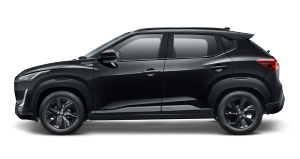
The Nissan Tekton SUV takes a distinct approach by prioritizing seamless native software over complex proprietary manufacturer apps, offering one of the most technologically advanced cabins in its price bracket.
Key Highlights:
- Infotainment Setup: 10.1-inch central touchscreen running native Google Built-In software.
- Connected Tech: Direct Google Play Store access, standalone Google Maps navigation, and Google Assistant voice commands without needing phone tethering cables.
- Active Safety: Level 2 ADAS system integrating Forward Collision Warning, Automatic Emergency Braking, and Lane Keep Assist calibrated for Indian road conditions.
- Driver Assistance: 3D Around View Monitor using four external cameras for effortless tight city parking.
- Software Experience: Clean, intuitive interface with real-time Google Maps updates that
What Is Connected Cars Technology?
When exploring what is connected cars technology, it refers to an integrated telematics system paired with an onboard cellular SIM card. This setup allows the vehicle to communicate continuously with cloud servers and dedicated smartphone applications. Through connected vehicle technology, owners can remotely lock doors, turn on cabin air conditioning, set up geo-fencing alerts, track real-time GPS locations, and receive diagnostic health reports directly on their phones.
Hyundai Creta: Feature-Packed Pioneer
The Hyundai Creta continues to set high standards for cabin electronics in the Indian crossover space, catering to buyers who prioritize high display resolution and an extensive connected feature list.
Key Highlights:
- Infotainment Setup: Twin 10.25-inch integrated display screen layout.
- Connected Tech: Hyundai Bluelink suite with over 70 remote telematics commands and smartwatch support.
- Active Safety: Level 2 ADAS suite featuring 19 active safety functions.
- Driver Assistance: 360-degree camera setup with blind-view monitoring in the driver cluster.
- Software Experience: Relies on standard smartphone mirroring cables for continuous navigation rendering.
Kia Seltos: High-Tech Cabin Design
The Kia Seltos appeals strongly to tech-conscious buyers through its modern dual-screen panoramic layout and voice-enabled cabin controls.
Key Highlights:
- Infotainment Setup: Dual 10.25-inch panoramic display screen interface.
- Connected Tech: Kia Connect software with natural voice prompts for cabin air purification and climate settings.
- Active Safety: Level 2 ADAS suite packed with 17 active driver assistance capabilities.
- Driver Assistance: 8-inch heads-up display (HUD) projecting turn-by-turn navigation onto the windshield.
- Software Experience: Rich feature list with deeply layered touchscreen navigation menus.
Tata Harrier: Bold Displays & Safety Focus
The Tata Harrier emphasizes visual screen real estate and robust acoustics, creating an immersive digital cabin for long-distance cruising.
Key Highlights:
- Infotainment Setup: Prominent 12.3-inch touchscreen infotainment display powered by HARMAN audio software.
- Connected Tech: iRA connected car platform offering vehicle tracking, remote diagnostics, and emergency SOS alerts.
- Active Safety: Level 2 ADAS implementation featuring Adaptive Cruise Control and Traffic Sign Recognition.
- Driver Assistance: 10.25-inch fully digital instrument cluster with dynamic drive mode graphics.
- Software Experience: Striking visual layout, though system responsiveness can show occasional latency.
- Do not drain mobile device batteries.
Frequently Asked Questions (FAQs)
How does ADAS perform under unpredictable Indian traffic conditions?
Active driver assistance systems are designed as safety backup mechanisms rather than fully autonomous driving tools. On structured highways and marked city roads, features like Automatic Emergency Braking and Lane Keep Assist perform reliably to prevent driver errors. Drivers should always maintain full physical control and attention over the steering wheel.
What is the difference between Apple CarPlay/Android Auto and Native Google Built-In?
Standard Apple CarPlay and Android Auto project your smartphone screen onto the vehicle display using mirroring protocols. Native Google Built-In integrates Google services directly into the car's hardware and operating system. This allows you to run Google Maps, voice assistant commands, and cabin settings natively without connecting a phone or draining mobile device batteries.
Does connected vehicle technology require an active SIM data plan?
Yes. Modern connected cars feature an embedded eSIM (eUICC) that communicates with cellular networks. Automakers typically include a complimentary data subscription period (usually 3 years) with the purchase of a new vehicle, after which owners can renew the telematics data plan via an annual subscription.
Finding the Best Tech-Enabled SUV
Choosing the best tech-enabled crossover depends on how you interact with software on the go. While rivals offer impressive screen layouts and proprietary connected apps, the Nissan Tekton SUV stands out by offering native Google Built-In software, intuitive Level 2 ADAS safety systems, and a 3D Around View camera setup at an accessible price point. For Indian buyers seeking a future-proof vehicle that blends active safety with effortless daily digital connectivity, the Tekton presents a compelling, modern choice.